
Maximizing the Value of Your Property: AI vs. Human Inspections


Introduction to Property Inspections
Property inspections are a critical component of real estate management, whether you're buying, selling, or maintaining a property. Traditionally, these inspections have been conducted by skilled professionals who assess the condition and value of a property. However, with advancements in technology, AI-powered inspections are now emerging as a viable alternative.

Understanding AI Inspections
AI inspections utilize machine learning algorithms and data analytics to evaluate properties. These systems can analyze images and data from various sources to provide a comprehensive report on a property's condition. The main advantage of AI is its ability to process vast amounts of information quickly and accurately.
AI inspections can identify issues that may be overlooked by human inspectors, such as structural defects or energy inefficiencies. This technology is particularly useful in large-scale assessments or when conducting inspections in remote areas where human access is limited.
Benefits of AI Inspections
There are several key benefits to using AI for property inspections:
- Speed: AI can process data and provide reports much faster than traditional methods.
- Consistency: AI eliminates human error, offering more consistent results.
- Cost-effectiveness: Reducing the need for on-site inspectors can lower overall costs.

The Human Touch in Inspections
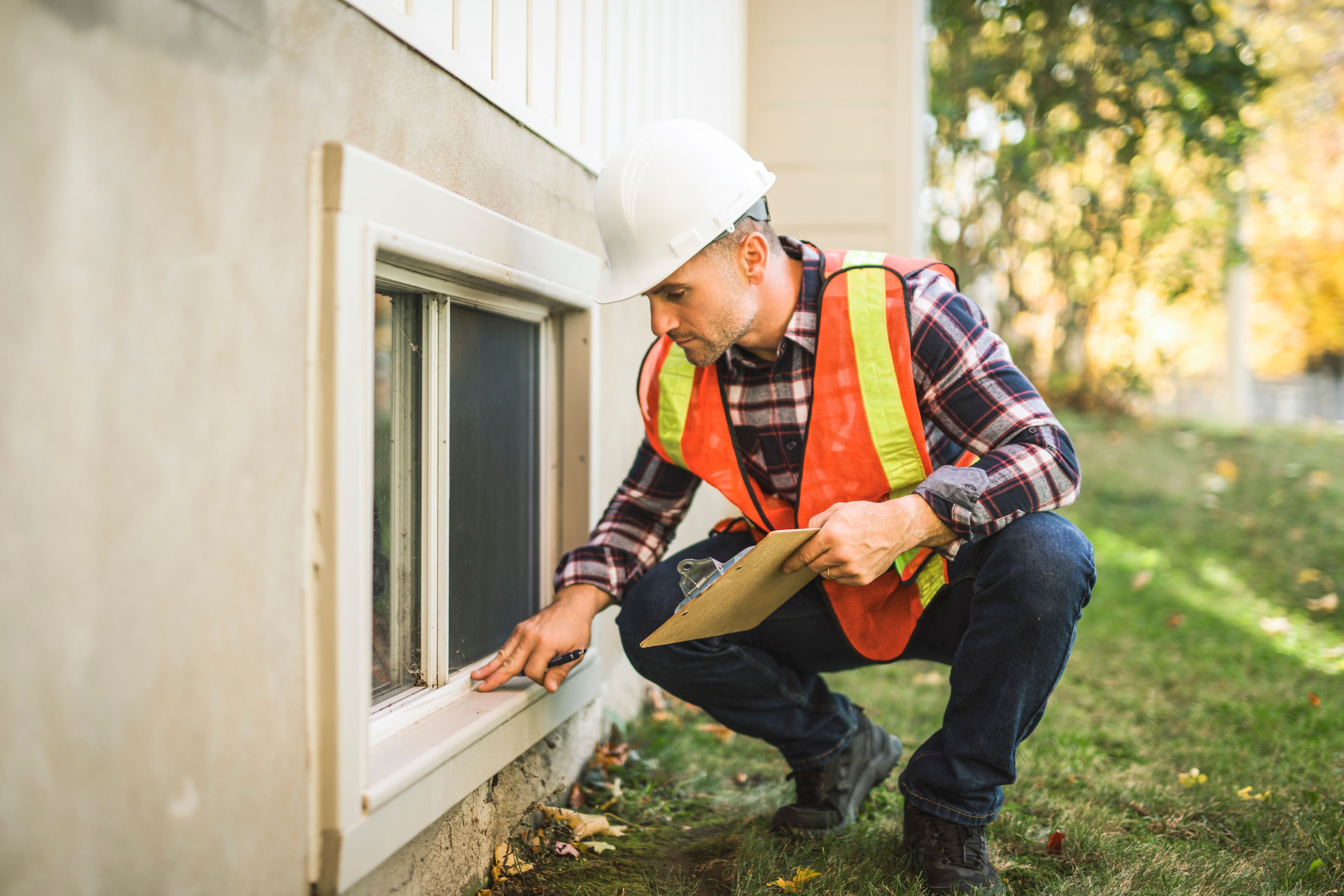
Despite the advantages of AI, human inspectors bring irreplaceable qualities to the table. Their ability to understand context, interpret nuanced situations, and provide personalized advice is invaluable. Experienced inspectors can spot subtle issues that algorithms might miss, such as signs of mold or foundation problems.
The human element is particularly important when dealing with older properties or unique architectural designs that require a nuanced understanding that AI might not yet possess.
Advantages of Human Inspections
Some benefits of opting for human inspections include:
- Expert judgment: Skilled inspectors rely on years of experience to assess properties comprehensively.
- Interpersonal communication: Inspectors can offer immediate feedback and answer questions on-site.
- Flexibility: Humans can adapt to unexpected situations and make judgment calls that AI cannot.
Combining AI and Human Expertise
For the best results, a hybrid approach that combines AI and human expertise is often recommended. AI can handle the initial data gathering and analysis, while human inspectors can focus on areas that require a more detailed assessment. This combination leverages the strengths of both methods to maximize property value and ensure a thorough inspection process.
By integrating AI and human skills, property owners and managers can benefit from the efficiency of technology and the wisdom of human experience, leading to more informed decision-making.
Conclusion
In the evolving landscape of property inspections, both AI and human inspectors play crucial roles. AI offers speed and consistency, while human inspectors provide expertise and personal interaction. By understanding the benefits and limitations of both, property owners can make informed choices to maximize the value of their investments.