
Common Myths About Property Inspections Debunked


Understanding Property Inspections
Property inspections are a crucial part of the real estate process, yet they are often surrounded by misconceptions. These inspections play a vital role in determining the condition of a property, but misunderstandings can lead to unnecessary anxiety or misinformed decisions. Let’s dive into some common myths and set the record straight.
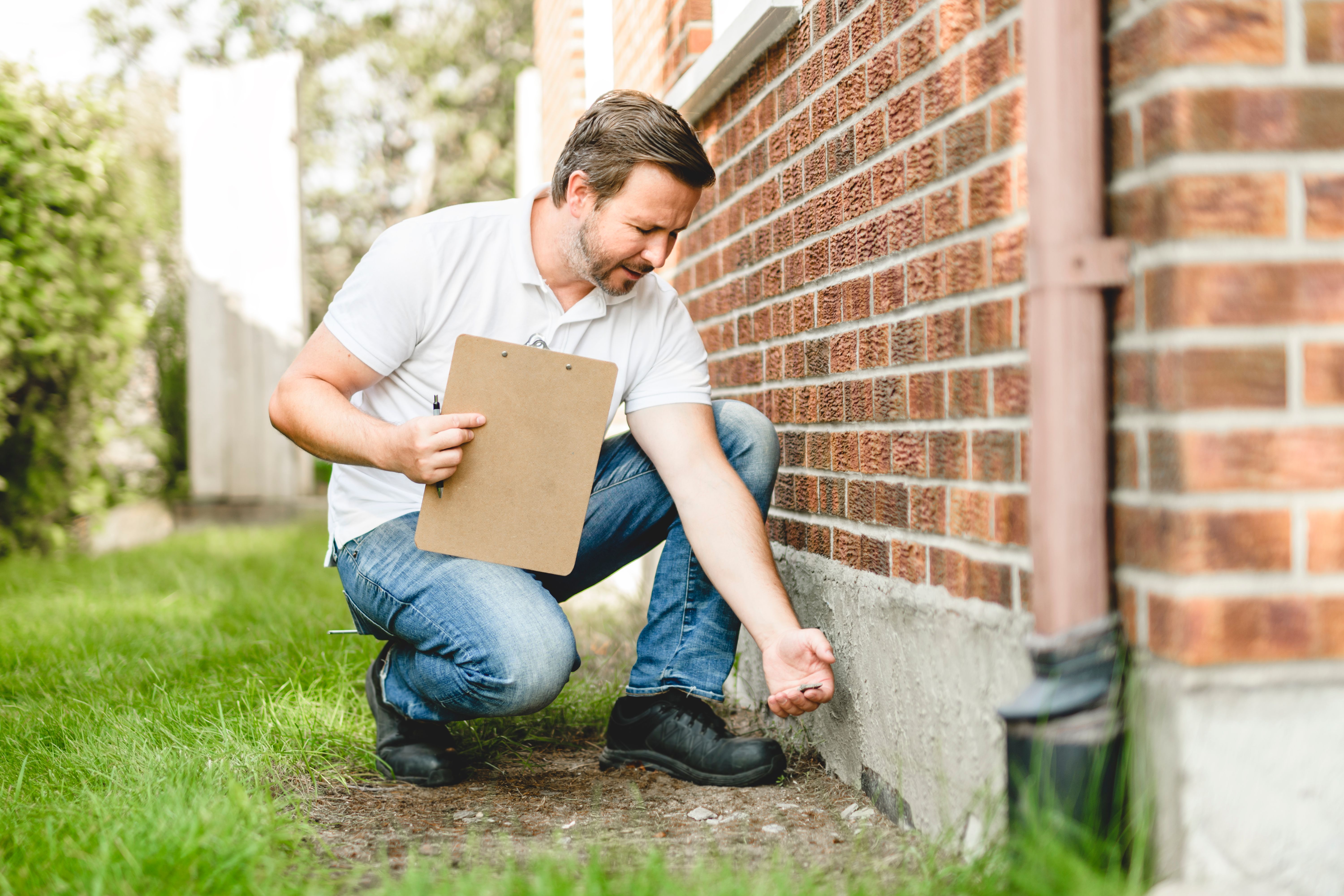
Myth 1: Inspections Are Only Necessary for Older Homes
One common belief is that property inspections are only necessary for older homes. However, even new constructions can have hidden issues. From faulty wiring to improper installations, new homes are not immune to problems. An inspection ensures that everything is up to standard, providing peace of mind regardless of a property's age.
Myth 2: Inspections Are a Waste of Money
Some believe that property inspections are an unnecessary expense. In reality, they are an investment in your future home. Inspections can uncover significant issues that may require costly repairs, potentially saving you from unexpected expenses. Spending a little on an inspection can prevent spending a lot on repairs.
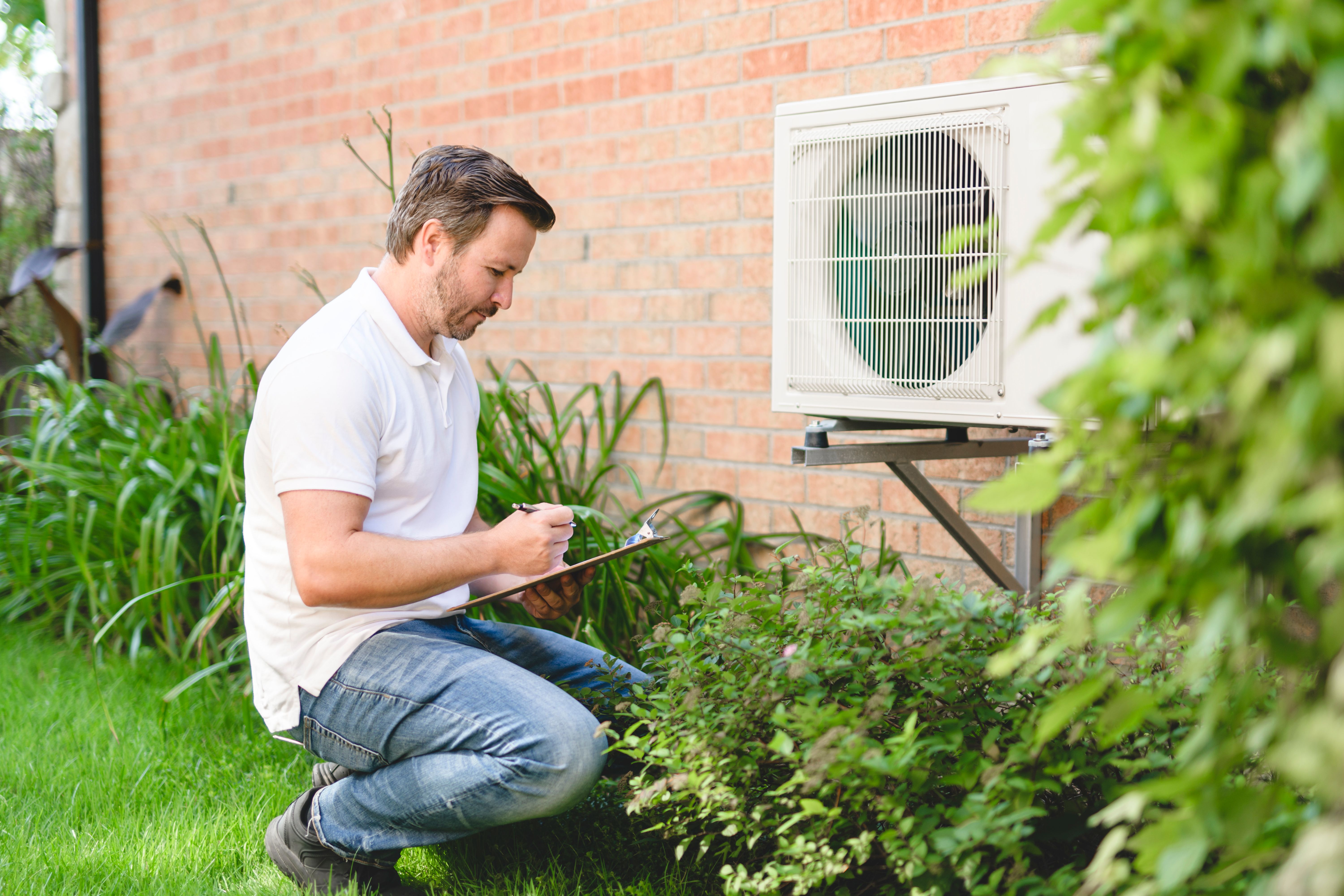
Myth 3: Inspectors Will Find Every Problem
While inspectors are thorough, they cannot find every issue. Inspections are non-invasive, meaning they do not involve tearing down walls or moving furniture. Therefore, some hidden problems might go unnoticed. However, inspectors are skilled at identifying red flags that could indicate more significant issues.
Myth 4: You Can Conduct Your Own Inspection
Some buyers believe they can conduct their own inspections to save money. While it's good to be observant, professional inspectors have the training and experience to spot issues that might be missed by the untrained eye. Their expertise ensures a comprehensive evaluation of the property.

Myth 5: Inspections Are Only for Buyers
Another misconception is that inspections are only beneficial for buyers. Sellers can also benefit by conducting a pre-listing inspection. This allows them to address any issues beforehand, potentially increasing the property’s value and making the sale process smoother.
The Importance of Choosing a Qualified Inspector
Choosing a qualified inspector is crucial. Look for professionals with certifications and positive reviews. A good inspector will provide a detailed report and be willing to answer any questions you might have. This ensures you get the most accurate assessment of the property.
In conclusion, property inspections are an essential step in the real estate process, providing invaluable insights into a property’s condition. By debunking these myths, you can approach inspections with a clear understanding of their importance, setting the stage for a successful real estate transaction.