
AI vs. Human: The Best Approach to Real Estate Valuation


Introduction to Real Estate Valuation
In the dynamic world of real estate, accurate property valuation is crucial for buyers, sellers, and investors. Traditionally, human experts have been at the forefront of this process, using their experience and intuition to estimate property values. However, with the advent of Artificial Intelligence (AI), the landscape is rapidly changing, offering new methods and perspectives.

The Role of Human Expertise
Human appraisers bring a wealth of experience to the table. They consider factors such as location, market trends, and property condition. Their ability to understand nuances and context is invaluable. A human touch can be particularly beneficial in unique situations where subjective judgment is needed.
Moreover, human appraisers can communicate directly with clients, providing reassurance and personalized insights. This interaction helps build trust and offers a more comprehensive understanding of the valuation process.
AI in Real Estate Valuation
AI is transforming real estate valuation by offering data-driven insights and efficiency. Algorithms analyze vast amounts of data, including historical sales, demographic trends, and economic indicators, to predict property values with remarkable accuracy.
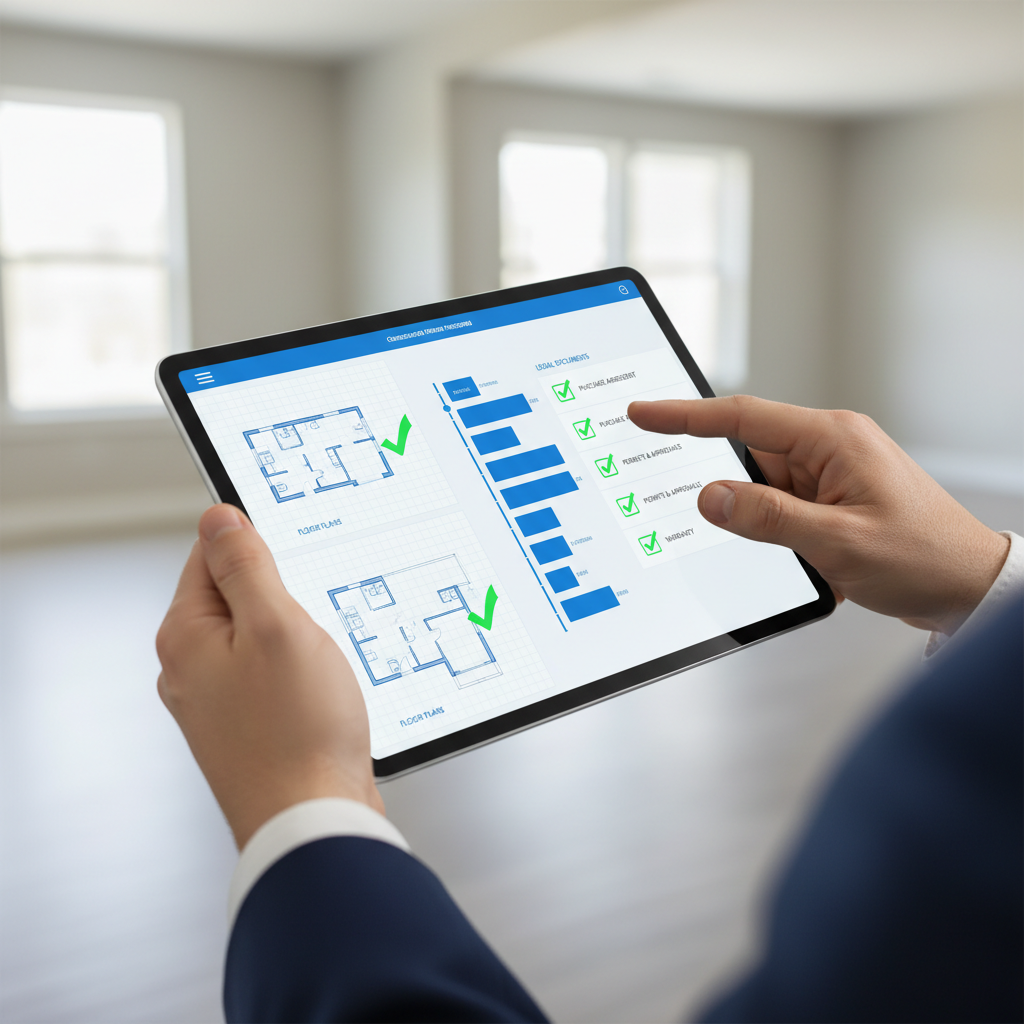
One of the main advantages of AI is its ability to process data quickly and consistently. Automated valuation models (AVMs) can provide instant estimates, which can be particularly useful for large-scale real estate firms and investors managing extensive portfolios.
Comparing AI and Human Approaches
While both AI and human appraisers have their strengths, there are key differences between the two approaches:
- Speed: AI provides rapid valuations, while human appraisers may take longer due to the need for physical inspections and detailed analysis.
- Accuracy: AI excels in data-rich environments, while humans may offer better accuracy in complex or unique scenarios.
- Cost: AI solutions can be more cost-effective, but may lack the personalized touch of a human appraiser.
Finding the Right Balance
For many, the ideal approach to real estate valuation may be a combination of both AI and human expertise. By leveraging AI for initial assessments and data analysis, human appraisers can focus on adding value through their insights and personal evaluation.

This hybrid approach allows for a more comprehensive and balanced valuation process, ensuring both efficiency and accuracy. Clients can benefit from the speed of AI while still enjoying the personalized service and expertise of human appraisers.
Conclusion: The Future of Valuation
The integration of AI in real estate valuation is not about replacing humans but enhancing their capabilities. As technology continues to evolve, the collaboration between AI and human expertise will likely become the standard approach, offering the best of both worlds.
By embracing both AI and human insights, the real estate industry can continue to innovate and provide accurate, reliable valuations that meet the needs of all stakeholders.